
Complete Guide to Stress-Free Event Parking Solutions in Detroit
Published on May 15, 2026 — A complete overview of Detroit event parking solutions designed to eliminate chaos and ensure smooth guest flow.
The Blueprint: Building a Stress-Free Arrival Framework
Planning a successful production in Detroit requires a careful balance of aesthetic details and strict logistical coordination. While interior choices like custom stage designs, high-end menus, and precision sound setups keep attendees engaged inside, your arrival layout dictates their mood before they ever step into the main hall. An unmanaged, congested perimeter area can instantly generate frustration, directly overshadowing hours of meticulous planning inside the venue.
A comprehensive, modern parking management strategy focuses on removing friction from the driving experience entirely. By pairing early geographic space mapping with active curbside direction and clear communication protocols, planners turn a common stress point into a smooth, welcoming asset. In Metro Detroit, a region deeply proud of its automotive lineage, delivering premium vehicle handling shows an exceptional standard of client care and professional execution.
- Prevents immediate traffic blockages on main access roads and intersections.
- Eliminates guest frustration, ensuring they arrive relaxed and on time.
- Protects expensive corporate or personal vehicles in monitored, secure structures.
- Establishes an immediate tone of organization, luxury, and care from the start.
- Ensures emergency access loops remain completely open and operational throughout.
Geographic Analysis: Auditing Venue Spaces and Nearby Layouts
Every pristine event layout is built on a thorough pre-event site audit. Detroit features an incredible variety of architectural spaces, ranging from modern waterfront complexes downtown to historic theaters and industrial spaces in midtown. Each property presents distinct structural boundaries, roadway limitations, and traffic rules that require custom solutions.
Professional parking teams begin by exploring the entire layout surrounding your chosen venue weeks before equipment is deployed. This process involves evaluating the traffic absorption limits of nearby intersections, calculating peak arrivals alongside general city traffic hours, and locating large off-site storage fields to absorb vehicle overflows safely when primary spaces reach capacity.
- Traffic Patterns: Analyzing nearby highway exits and main avenues to predict how cars will arrive.
- Capacity Limits: Math-modeling maximum load capacities for each lot to avoid gridlock lines.
- Dedicated Spaces: Isolating drop loops strictly for general parking, valet paths, and vendor vehicles.
- Construction Checks: Reviewing municipal road closure notices and detours to find alternative paths.
Valet Integration: Elevating the Arrival Portal with Full Services
For elite corporate milestones, luxury fundraisers, and formal social functions, incorporating a full-service professional valet track is the absolute best way to maximize comfort. Valet solutions remove the burden of vehicle storage entirely from your guests' shoulders, allowing them to exit their cars directly at your venue portal and enter your program instantly.
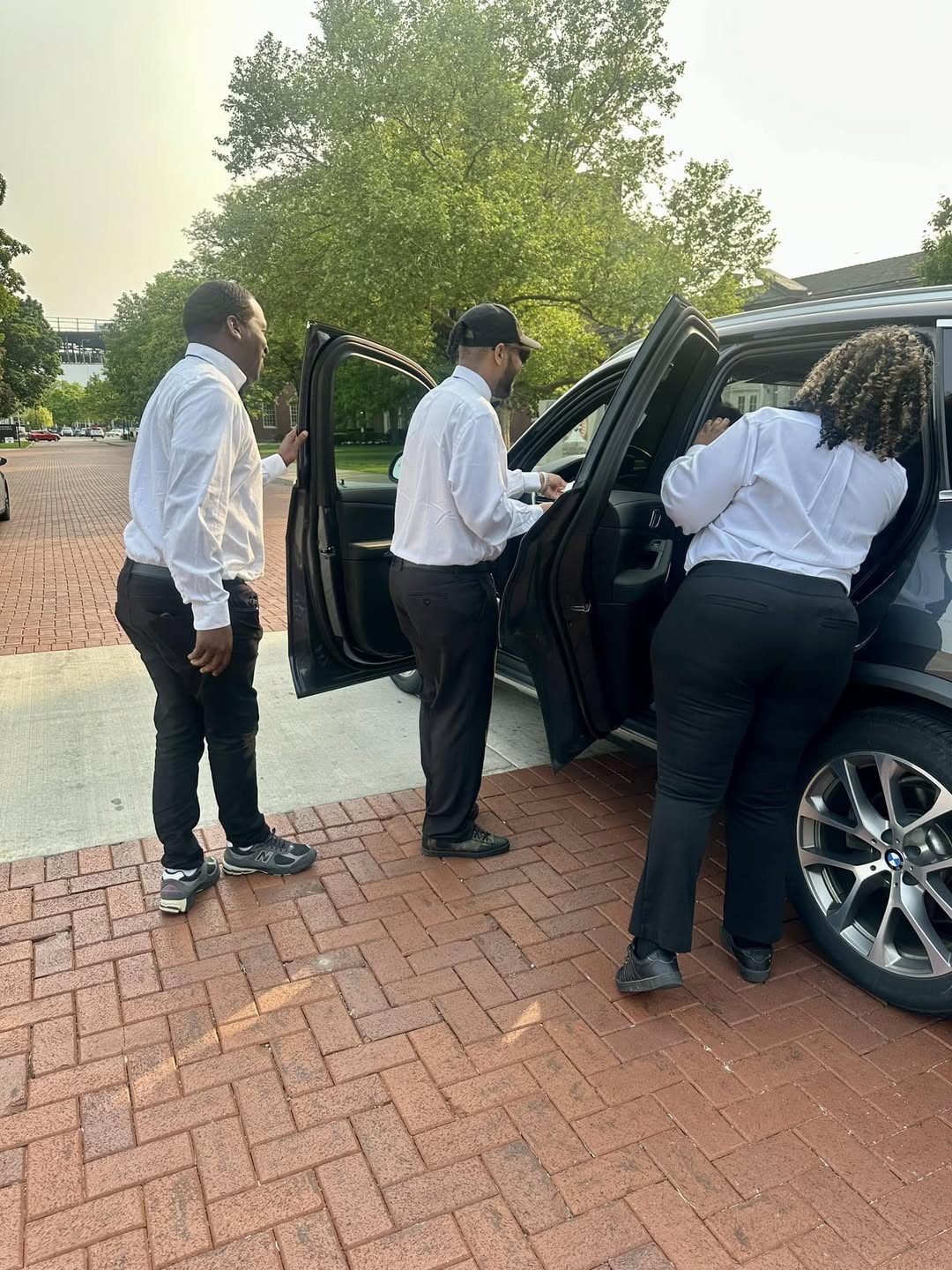
Elite valet agencies do not merely park cars; they build a highly coordinated, hospitable welcoming port. Attendants are systematically trained to open doors politely, handle keys securely, and assist arriving attendees with absolute care. This level of premium care ensures your brand's standards are communicated effectively during the very first client touchpoint.
- Immaculate Uniform Styling: Teams dressed in crisp, formal matching uniforms that fit your theme.
- Polished Scripts: Greeting every single driver with clear, helpful, and concise welcome instructions.
- Advanced Key Controls: Storing keys inside heavily guarded, monitored central lockboxes.
- High-Speed Runners: Deploying trained field teams to transport and retrieve vehicles safely and rapidly.
Visual Navigation: Utilizing High-Visibility Signs and Digital Alerts
Confusion is the main cause of traffic bottlenecks around event spaces. When arriving drivers feel uncertain about which lane to enter, where to turn, or where open lots are located, they instinctively slow down or stop in main traffic lanes. This sudden hesitation instantly backs up lines, causing immediate congestion behind them.
Experienced parking directors solve this issue by deploying a comprehensive, highly visible navigational layer across the entire area. Placing prominent directional markers, bright illuminated arrow boards, and explicit lane identifiers well in advance of key turning points gives drivers complete clarity, keeping vehicles moving smoothly toward their correct positions.
- Placing prominent, high-contrast signs at driver eye level to guide them through intersections.
- Using digital message boards to display live updates on open spaces or changing routes.
- Deploying visible, reflective lane markers to separate valet lines cleanly from rideshare loops.
- Providing clear digital layout maps to attendees via pre-event confirmation emails.
Rideshare Coordination: Isolating Drop Loops and Digital Zones
With the widespread use of mobile transport apps and public shuttle services, a significant percentage of event crowds no longer use personal vehicles. If left unmanaged, dozens of rideshare vehicles attempting to pull up directly to your main entrance curb simultaneously will paralyze your primary drop loop, delaying your valet track and blocking entry points completely.
To keep transit moving fluidly, modern parking solutions require a completely separate, high-throughput rideshare drop zone located away from the primary entrance loop. This isolated area features its own passenger loading lanes, simple directional signs, and dedicated staff members who guide vehicles quickly, keeping the main entryway completely clear.
- Dedicated Loading Fields: Mapping out specific geo-fenced rideshare pickup areas away from main doors.
- Color-Coded Guides: Using bright visual paths to show pedestrians exactly where to meet their drivers.
- Curbside Time Controls: Limiting vehicles to a brief stop window at the curb to keep traffic moving.
- Shuttle Synchronization: Designing separate, high-capacity loops for mass transit buses and group vans.
Pedestrian Control: Separating Foot Traffic from Vehicle Tracks
An effective parking strategy must focus equally on what happens after guests step out of their vehicles. High-capacity functions naturally generate large waves of foot traffic, with thousands of attendees walking through parking grids, crossing busy drop loops, and moving along sidewalks toward the registration desk simultaneously.
Ensuring complete guest safety requires keeping pedestrian paths completely isolated from active vehicle tracks. This involves setting up sturdy physical crowd barriers, designing clear walking corridors, and placing bright, highly visible crossing zones managed by attentive safety personnel equipped with the right gear.
- Building highly visible, direct walking corridors out of parking lots to main gates.
- Using heavy-duty physical barricades to prevent pedestrians from crossing into active roads.
- Equipping all ground staff with bright safety vests, high-powered flashlights, and whistles.
- Maintaining full compliance with ADA standards, providing level paths for guests with mobility needs.
Weather Preparedness: Protecting Guests from Volatile Climates
The climate across the Great Lakes region is notoriously volatile across all seasons. A beautifully clear morning can quickly shift into a heavy rainstorm, intense lake-effect snowfall, or freezing sleet before your evening program concludes. Forcing professionals in formal attire to walk through these harsh conditions is a major operational risk that can compromise their comfort and safety.
Professional parking management organizations remove weather risks through proactive planning and on-site readiness. By deploying large golf-style umbrellas, applying ice-melt, and clearing walkways continuously, staff shield attendees from harsh outdoor elements. Guests can step straight from their vehicles into a warm, dry venue environment, maintaining their complete safety and comfort from start to finish.
- Deploying continuous umbrella escorts to transport guests safely during sudden heavy rainstorms.
- Applying ice-melt and removing snow continuously to keep walkways completely slip-free.
- Pre-warming vehicle interiors and clearing windows during freezing winter evening departures.
- Utilizing covered entry canopies effectively to maintain a fully dry drop-off zone.
Final Thoughts
In conclusion, executing a stress-free event parking plan in Detroit requires a proactive, highly structured approach that addresses every stage of the arrival and departure sequence. By conducting detailed geographic site audits, integrating professional valet services, utilizing high-visibility directional signage, and maintaining a strict focus on pedestrian safety, you protect your production from costly logistical errors. Partnering with a reliable, fully insured parking organization guarantees that your event operates with maximum efficiency, making a lasting, premium impression on every single guest.